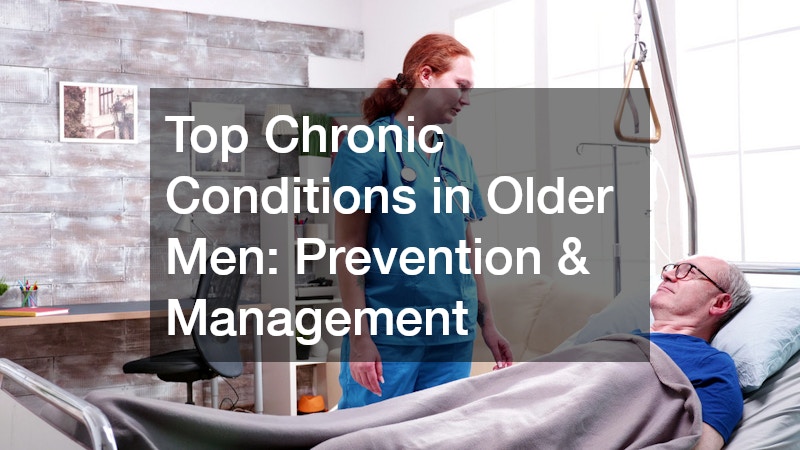
The definition of health has evolved dramatically over the last century. We have moved from a reactionary model—where we only sought help when something was broken—to a proactive, holistic philosophy that encompasses the physical, mental, and emotional self. In today’s fast-paced world, staying healthy requires more than just an occasional checkup; it demands a dedicated commitment to understanding the body’s signals and the vast array of specialized resources available to us. This journey toward longevity is not about perfection, but about the consistent application of sound principles and the courage to seek professional guidance when the path becomes difficult to navigate.
Prioritizing Neurological Health and Cognitive Longevity
The human brain is the most complex organ in the known universe, acting as the command center for every breath, movement, and thought. As we advance in age, the preservation of cognitive function becomes a cornerstone of a high-quality life. Neuroplasticity—the brain’s ability to reorganize itself by forming new neural connections—remains active throughout our lives, meaning we have a significant influence over our mental sharpness. Engaging in novel activities, such as learning a new language or playing a musical instrument, creates “cognitive reserve,” which can delay the onset of age-related decline.
However, when cognitive challenges go beyond normal forgetfulness, it is essential to look toward specialized medical support. Understanding the various stages of alzheimers disease treatment is vital for families who want to ensure their loved ones receive the best possible care. Modern approaches focus not just on pharmaceutical interventions, but on sensory stimulation, nutritional support, and environmental safety. Early detection through regular neurological screenings can provide a wider window for therapy and planning, ensuring that the transition into different care levels is handled with grace and dignity.
For many, the transition to a specialized environment becomes the most compassionate choice. A high-quality memory care facility provides more than just a safe place to live; it provides a community tailored to the specific needs of those with cognitive impairments. These facilities emphasize “failure-free” social engagement and rhythmic routines that reduce the agitation and confusion often associated with memory loss. By outsourcing the complex logistical needs of care to professionals, family members are often able to return to their primary role as supportive, loving companions.
Managing Hormonal Imbalances For Sustained Energy
One of the most pervasive issues in modern society is the “energy crisis”—not of fuel, but of the human spirit. Chronic fatigue, weight fluctuations, and mood swings are frequently the result of an endocrine system that is struggling to maintain homeostasis. The thyroid gland, in particular, acts as the thermostat for the body’s metabolism. When it is underactive or overactive, every system in the body suffers, from digestion to cardiovascular health.
Navigating these complexities often requires the expertise of thyroid specialists who look at the full picture of a patient’s health. Standard screenings often miss the subtle nuances of autoimmune-driven thyroid issues or the impact of environmental toxins on hormone production. A comprehensive approach usually involves a mix of lifestyle adjustments, such as increasing iodine and selenium intake, and bioidentical hormone therapy when necessary. When the thyroid is functioning correctly, patients often report a “fog” lifting, revealing a level of mental clarity they haven’t felt in years.
Beyond the thyroid, the adrenal glands play a massive role in how we perceive and handle stress. In a world of 24-hour news cycles and demanding careers, the adrenals can become overworked, leading to a state often referred to as burnout. Balancing these hormones requires a dedicated focus on “sleep hygiene”—creating a sanctuary for rest that is free of digital blue light and high-stress stimuli. By prioritizing the body’s internal clock, we allow the endocrine system to reset, providing the natural energy required to meet the demands of a modern lifestyle.
Addressing Sensory Health and Vision Correction
Our interaction with the world is filtered through our senses, and vision is arguably the most dominant of them all. In an age where we spend upwards of eight hours a day staring at digital interfaces, the strain on our ocular muscles is unprecedented. Vision health is not just about seeing clearly; it is about preventing the neurological fatigue that comes from the brain struggling to process distorted or strained visual input.
Securing the right prescription eyeglasses is a foundational step in any wellness routine. Beyond simple correction for nearsightedness or farsightedness, modern lenses offer specialized coatings that filter out harmful high-energy visible (HEV) light and reduce glare. This is particularly important for professionals who work under fluorescent lighting or in front of multiple monitors. When the eyes don’t have to work as hard to focus, the entire nervous system remains calmer, leading to fewer tension headaches and better productivity throughout the day.
Maintenance of the eyes also involves internal support. The macula requires specific antioxidants like lutein and zeaxanthin to stay healthy. These are found in abundance in dark leafy greens and colorful peppers. Additionally, the simple habit of the 20-20-20 rule—looking at something twenty feet away for twenty seconds every twenty minutes—can prevent the development of “computer vision syndrome.” Regular comprehensive eye exams are also essential because they allow doctors to view the blood vessels directly, often catching early signs of systemic issues like high blood pressure long before they manifest elsewhere in the body.
Overcoming Addictive Behaviors Through Professional Support
Wellness is as much about what we remove from our lives as what we add to them. Dependency and addiction are among the most difficult hurdles to overcome because they alter the brain’s reward system, making it nearly impossible to “will” one’s way to health. Whether the substance is alcohol, prescription medication, or illicit drugs, the path to recovery is a multifaceted journey that requires professional intervention and a robust support network.
Utilizing drug abuse therapy offers a structured pathway to freedom. Therapy is not just about stopping the use of a substance; it is about uncovering the emotional wounds or environmental triggers that led to the behavior in the first place. Family counseling is often a critical component of this process, as addiction rarely exists in a vacuum. By healing the family dynamic, the individual in recovery gains a stable foundation that significantly reduces the risk of relapse and fosters long-term psychological resilience.
For those specifically battling alcohol dependency, the physical risks of withdrawal make professional alcoholism treatments a necessity. Detoxing in a medically supervised environment ensures that the physiological transition is safe and as comfortable as possible. Once the physical cravings are managed, long-term success is built on a foundation of behavioral changes, nutritional replenishment, and the development of new, healthy coping mechanisms. Sobriety is the ultimate form of self-care, allowing the individual to fully inhabit their life and relationships once again.

Restoring Physical Function and Mobility
A body in motion stays in motion, but injury and age can often bring that motion to a grinding halt. Physical pain is more than a discomfort; it is an inhibitor of joy and independence. When we are limited by our physical selves, our mental health often follows suit, leading to a cycle of inactivity and depression. Reclaiming mobility is one of the most empowering steps an individual can take in their health journey.
Engaging in Physical therapy rehabilitation is the gold standard for recovering from musculoskeletal issues. Unlike general exercise, physical therapy is highly specific, targeting the exact muscles and connective tissues that need strengthening or stretching. A therapist acts as a coach and a mechanic, identifying gait imbalances or postural habits that are contributing to chronic pain. By correcting these foundational movements, patients can often avoid surgery and reduce their reliance on pain medication, leading to a more vibrant and active lifestyle.
In situations where an injury is acute or follows a major surgery, a dedicated local rehab therapy center provides the intensive care needed for a full recovery. These centers offer a multidisciplinary approach, combining physical therapy with occupational therapy and nursing care. This ensures that every aspect of the patient’s physical life is addressed, from the ability to walk to the dexterity needed for daily tasks. Consistency in these programs is the key; the body is remarkably resilient when given the right stimulus and the time to heal.
Enhancing Confidence Through Aesthetic Wellness
The connection between our outward appearance and our internal sense of well-being is undeniable. When we look in the mirror and see a version of ourselves that feels vibrant and healthy, our confidence and social engagement increase. Aesthetic wellness is not about vanity; it is about the psychological comfort that comes from feeling that our exterior matches our interior vitality.
For many, hair is a significant symbol of health and youth. When thinning or balding occurs, it can take a heavy toll on self-esteem. Consulting with hair loss specialists can provide clarity on the underlying causes, which can range from genetic predispositions to stress-induced shedding. Modern medical advancements have made hair restoration more accessible and natural-looking than ever before. Addressing these issues early can prevent further loss and restore a sense of self-assurance that carries over into professional and personal interactions.
Skin health is another major pillar of aesthetic wellness. As our largest organ, the skin is our first line of defense against the environment. Maintaining its integrity through proper hydration, high-quality topical treatments, and professional dermatological care is essential. When we treat skin issues like adult acne, hyperpigmentation, or premature aging, we aren’t just improving our looks; we are protecting our body’s barrier and reducing the systemic inflammation that often accompanies skin disorders.

Strengthening Emotional Bonds and Relationship Health
Human beings are inherently social creatures, and the quality of our relationships is one of the strongest predictors of long-term health. Chronic loneliness and interpersonal conflict trigger the body’s stress response just as surely as physical danger does. Conversely, a supportive, loving partnership can lower blood pressure, improve sleep quality, and even speed up the healing process after an illness.
Investing in marriage counseling services is a powerful way to ensure that the “social health” of a household remains strong. Many couples wait until a crisis to seek help, but proactive counseling can provide the communication tools needed to prevent crises from happening. Learning how to navigate disagreement with empathy and respect creates a home environment that acts as a sanctuary rather than a source of stress. When our primary relationships are healthy, we have more emotional bandwidth to tackle the other challenges of life.
Beyond romantic relationships, building a broader community is essential for emotional wellness. This involves fostering deep friendships, participating in local groups, and staying connected with extended family. In an age of digital isolation, making the effort to have face-to-face interactions is more important than ever. These connections provide a sense of belonging and a safety net that protects us during the inevitable storms of life. A healthy social life is not a luxury; it is a biological necessity for a well-rounded human existence.
The Role of Nutrition in Disease Prevention
The adage “you are what you eat” is a biological reality. Every cell, hormone, and neurotransmitter in your body is built from the nutrients you provide it. In an environment filled with ultra-processed foods designed to be addictive, making conscious nutritional choices is an act of rebellion in favor of your own health. The goal of a wellness-focused diet is to provide high-density nutrition while minimizing the inflammation caused by excessive sugar and artificial additives.
A foundational approach involves focusing on whole foods: vegetables, fruits, high-quality proteins, and healthy fats. Diversity is key; the “rainbow” of colors in produce represents different phytonutrients that protect the body in unique ways. For example, the lycopene in tomatoes supports heart health, while the sulforaphane in broccoli provides powerful anti-cancer properties. By eating a wide variety of plants, you ensure that your body has the full spectrum of tools it needs to maintain and repair itself.
Gut health has also emerged as a critical frontier in nutritional science. The “microbiome”—the trillions of bacteria living in your gut—influences your immune system, your weight, and even your mood through the gut-brain axis. To support this internal ecosystem, it is important to consume fermented foods like kefir and sauerkraut, which provide probiotics, and plenty of fiber, which acts as “prebiotic” food for those beneficial bacteria. A healthy gut is often the secret to a high-functioning immune system and sustained mental energy.

Mindfulness and Stress Mitigation Techniques
The modern world is characterized by a “constant-on” mentality. We are bombarded with notifications, deadlines, and social comparisons that keep our nervous systems in a state of low-level “fight or flight.” Over time, this chronic stress erodes our health, leading to issues like hypertension, digestive problems, and anxiety disorders. Mindfulness is the antidote to this state of existence.
Mindfulness is simply the practice of being fully present in the moment without judgment. This can take many forms, from formal meditation to simply taking three deep breaths before answering an email. These small “pockets of peace” tell the nervous system that it is safe, allowing it to transition into the parasympathetic mode, where healing and digestion occur. Consistent mindfulness practice has been shown to physically change the brain, shrinking the amygdala (the fear center) and thickening the prefrontal cortex (the area responsible for logic and emotional regulation).
Physical practices like yoga and Tai Chi are also excellent for stress mitigation because they anchor the mind in the body. For those who find it difficult to sit still in meditation, these “moving meditations” provide the same neurological benefits. Additionally, spending time in nature—sometimes called “forest bathing”—has been scientifically proven to lower cortisol levels and improve mood. Whether it’s a walk in a local park or a weekend in the mountains, reconnecting with the natural world is a vital part of maintaining psychological balance.
Creating a Sustainable Wellness Routine
The key to long-term health is not a temporary “cleanse” or an intense thirty-day challenge; it is the slow, steady accumulation of healthy habits. The most successful wellness plans are those that are sustainable and integrated into daily life. This means finding forms of exercise that you actually enjoy, discovering healthy recipes that taste good, and building a schedule that allows for adequate rest.
Sustainability also requires self-compassion. There will be days when you eat poorly, skip your workout, or lose your temper. The goal is to avoid the “all-or-nothing” mentality. Instead of giving up when you slip, simply make the next best choice available to you. Health is a lifelong journey, and your direction is more important than your speed. By focusing on small, incremental improvements, you build a lifestyle that supports your goals without feeling like a chore.
Finally, it is important to be the CEO of your own health. This means doing your own research, asking your doctors tough questions, and listening to your body’s unique signals. No one knows your body as well as you do. When you combine your personal intuition with the expertise of medical professionals and specialists, you create a powerful partnership. This proactive stance ensures that you aren’t just living longer, but living better, with the energy and clarity to enjoy every moment.

The Importance of Environmental Wellness
While we often focus on what we put into our bodies, the environment we inhabit plays an equally significant role in our health. Environmental wellness involves creating a living and working space that supports your physical and mental goals. This includes everything from the air quality in your home to the ergonomics of your workspace and the amount of natural light you receive.
Indoor air pollution can be a silent contributor to respiratory issues and fatigue. Simple steps like adding indoor plants, using HEV air filters, and choosing non-toxic cleaning products can significantly improve the air you breathe. Similarly, the “light hygiene” of your environment affects your circadian rhythm. Exposure to bright, natural light in the morning helps set your internal clock, leading to better sleep at night. In the evenings, using warm, dim lighting helps the body produce melatonin, the hormone responsible for deep, restorative sleep.
Ergonomics is another often-overlooked aspect of environmental health. If you spend a large portion of your day at a desk, ensuring that your chair, monitor height, and keyboard placement are correct can prevent a lifetime of chronic back and neck pain. Taking regular “movement snacks”—short bursts of activity every hour—prevents the stagnation that comes from prolonged sitting. Your environment should work for you, not against you, acting as a supportive backdrop for your health journey.